


Understanding Vape Product Labels: A Consumer Information Guide
Oct 22nd 2026
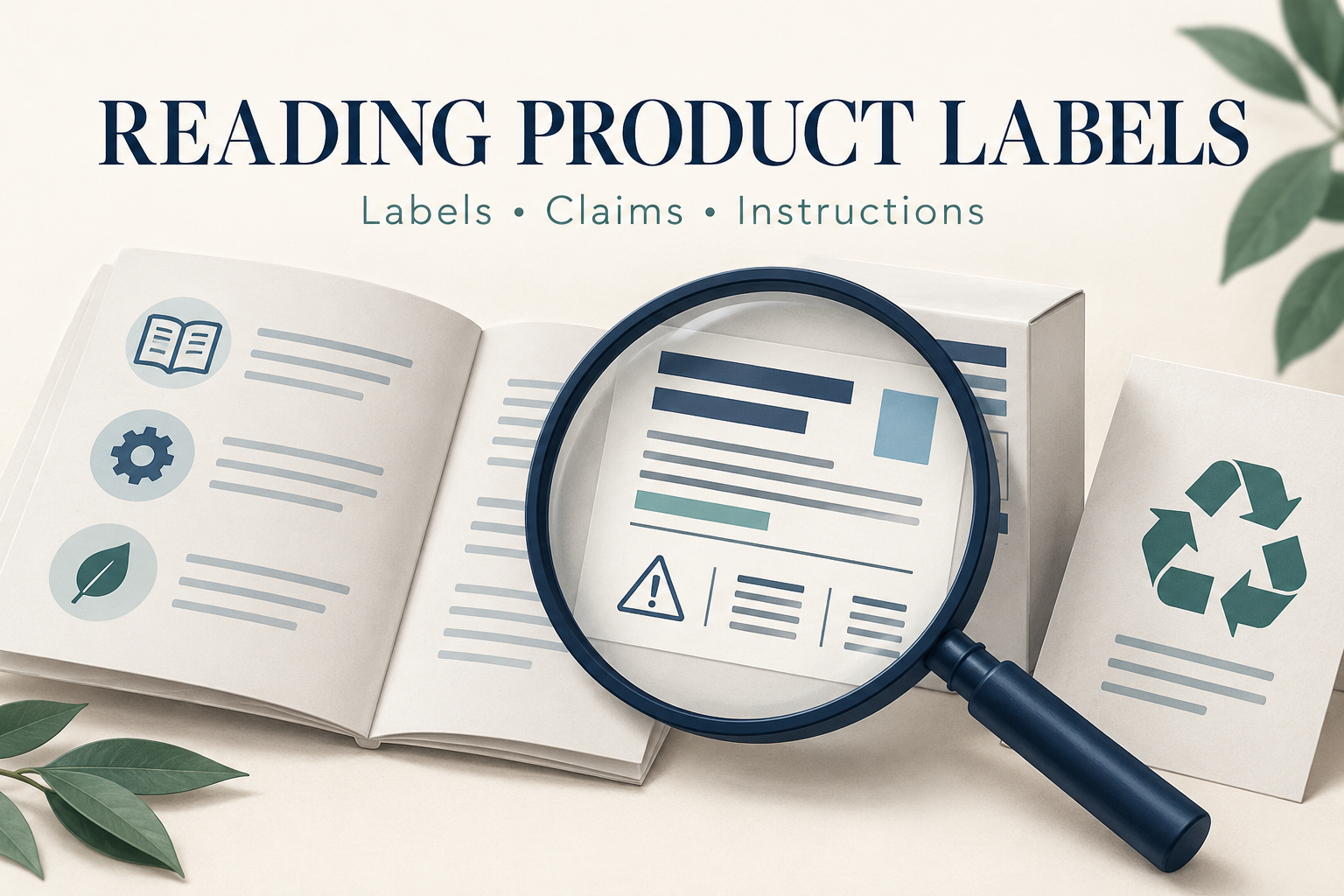
Product labels can contain nicotine statements, puff counts, battery specifications and disposal symbols. Each describes a different aspect of a device. Understanding those differences helps readers identify what is stated clearly and what remains uncertain.
Check the Exact Product Identity
Start with the manufacturer, model and batch number, where available. Similar product names do not necessarily identify the same device. When consulting instructions or recall notices, match those details rather than relying on packaging colour or appearance.
Read Numbers With Their Units
A figure without a unit or explanation can be misleading. Distinguish nicotine concentration from liquid volume and battery capacity. Check whether the manufacturer explains the measurement. Do not assume that different figures describe the same thing.
Examine Advertised Puff Counts
Look for the testing conditions behind an advertised puff count. Does the documentation identify puff duration, operating mode or other assumptions? Without that context, a number alone provides limited information.
Find Model-Specific Instructions
Check whether charging, storage and disposal instructions apply to the exact model. A similar-looking device may have different requirements.
Recognise Missing Information
If a label or instruction sheet leaves a question unanswered, state that uncertainty. Avoid treating an unexplained claim as independently verified.
This guide provides a framework for reading product information. It does not recommend a product or retailer.
A practical example: three numbers, three questions
Imagine a fictional package showing a liquid-volume figure, a battery-capacity figure and an advertised puff count. These numbers should not be combined into a single score. Instead, ask a different question about each: what is being measured, which unit is used, and what documentation explains the result?
Write the figures into separate rows of a note. Copy any qualification beside them. If a number is described as a maximum or estimate, keep that wording. This simple record makes it easier to spot when a summary has omitted an important condition.
Build a label-reading record
| Field | What to record | What it does not establish |
|---|---|---|
| Product identity | Full manufacturer and model wording | That a similar model has identical instructions |
| Nicotine statement | Exact figure, unit and explanatory text | A person’s absorbed dose |
| Performance claim | Claim, qualifier and available method | A guaranteed individual result |
| Production identifier | Batch or lot code where labelled | A universal date code without confirmation |
| Disposal guidance | Label directions and local acceptance | That every collection service accepts the item |
Separate three kinds of information
Packaging describes the product, the manufacturer’s manual explains model-specific instructions, and public agencies provide independent health or safety context. A retailer description can help locate a document, but it should not replace that document. When two sources conflict, record which version each source describes and when it was issued.
For example, a QR code may lead to an information page without identifying an individual batch. A recycling symbol may appear on outer packaging without describing the complete device. Neither observation should be extended beyond its stated scope.
Questions readers often ask
Does a complete-looking label prove that a product is safe?
No. Completeness of presentation and evidence of safety are separate questions. This article offers a way to organise information, not a safety assessment.
What if a required detail is missing?
Identify the missing detail in your notes and ask the responsible organisation for clarification. Do not fill the gap with a claim copied from a different version.
Which supporting article should I read next?
Choose the article that matches the unresolved question: units, numerical claims, identifiers, warnings, recall checks or disposal. The related-reading list below connects those topics without treating any one check as a substitute for the others.
Independent background
FDA information about electronic nicotine delivery systems and EPA household hazardous waste guidance provide background beyond packaging claims.
Related reading
- Understanding Nicotine Label Units
- Advertised Puff Counts: Questions to Ask About the Claim
- Finding Device Instructions and Disposal Information
- How to Check Official Product Recall Notices
- Model Numbers, Batch Codes and Barcodes: What Is the Difference?
- QR Codes on Packaging: How to Evaluate the Destination
- Reading Product Warning Statements Without Making Assumptions
- Disposal Symbols on Packaging: Questions to Ask Your Local Waste Service
- Product Claims and Supporting Evidence: A Reader’s Checklist
Editorial note: Prepared with AI assistance as an educational draft. No hands-on product testing or medical review is claimed.